Saturday, November 21, 2026

Strange Signal From Space Solved by Science Facts

Strange Signal From Space Solved by Science Facts
Photo: Art Institute of Chicago

The famous Wow Signal is a mystery that still puzzles people who love space puzzles. It was a loud burst of radio waves detected on August 15, 1977, by astronomer Jerry Ehman using the Big Ear telescope in Ohio.

What was the Wow Signal?

The signal lasted for 72 seconds and came from the constellation Sagittarius. It was thirty times louder than normal background noise in space. Jerry Ehman wrote the word Wow on the computer printout because he was so shocked by the high number.

Many people believed this was a message from an alien planet. They thought a smart life form tried to talk to Earth. But scientists had to look at hard facts before making any big claims about life in space.

Facts versus theories about the signal

The facts show that the Big Ear telescope pointed at a part of the sky with no known stars or planets. This made the alien theory very popular for a long time. Yet no one ever heard that loud sound again.

Scientists tested the same spot many times over the next forty years. They heard nothing back. A mystery like this lists of problems in space science that researchers still try to solve today.

The new answer from modern researchers

In the year 2017, a scientist named Antonio Paris suggested a new idea. He stated that passing comets caused the signal. Two comets named 266P/Christensen and 335P/Gibbs were near that spot in 1977.

Comets carry huge clouds of hydrogen gas around them. When the Big Ear telescope pointed at the sky, it caught the radio waves from the gas cloud of a passing comet. This simple idea matched the exact time of the event.

How to check space signals yourself

You do not need to wait for scientists to find answers. You can look at open data from home. Here are real steps to study space signals:

  • Visit public archives run by NASA and SETI to download raw radio telescope data.
  • Use free software like Auditory to turn radio waves into sound files so you can hear them.
  • Compare the time stamps of unusual noises with known satellite paths and comet maps.
  • Join online forums where professional astronomers share daily logs and ask for public help.

The mystery of the Wow Signal shows how easy it is to jump to wild conclusions when we look at the dark night sky. Always check the simple facts first before you look for life out in the stars. What other strange noises are hiding in the static of the universe right now?

Why comets make good radio noise

Comets are like dirty snowballs flying through the dark space. They have a lot of ice and gas. When the sun warms the ice, it lets out a big cloud of hydrogen. This gas can make radio waves that big dish antennas can pick up on Earth. People did not know about these comet clouds back in nineteen seventy seven. That is why the loud sound felt so weird at first.

Looking ahead at future space puzzles

Space still has many secrets waiting for bright minds to unlock them. Every night, giant telescopes record tons of raw data from deep space. Most of it is just old star noise or quiet static. But sometimes a weird beep pops up on the screen. When that happens, young thinkers can jump online to help out. You might be the next person to solve a huge space mystery right from your desk.

Friday, November 20, 2026

The Stone Circle No One Knows Who Built

The Stone Circle No One Knows Who Built
Photo: Wikimedia Commons

The stone circle no one knows who built sits in the green fields of England and hides its age from us all. Millions of people walk past these massive grey rocks every single year, but nobody can say for sure who put them there or why they did it. Stonehenge stands as the ultimate test for modern puzzle solvers.

The short answer is that ancient people built the stone circle over four thousand years ago using simple tools, but we still do not know their names, their language, or their exact reasons for moving stones weighing up to thirty tons across the land.

You probably want to know how they managed such heavy work without trucks or cranes. Let us look at the facts and the guesses behind this giant puzzle.

What Are the Hard Facts About Stonehenge?

Archaeologists dig in the dirt around the stones to find real clues. They do not just guess. Carbon dating tells us the first ditch and bank went into the ground around 3000 BC.

Workers brought the smaller blue stones from the Preseli Hills in Wales. That distance is nearly two hundred miles. People used log rollers and skin ropes to move them over land and water. That part is proven by science and experiments. Modern teams tried to pull a single stone with a wooden frame, and it took over one hundred people just to move it a few feet.

The giant sarsen stones came from Marlborough Downs, which is about twenty miles away. Builders shaped the tops of these uprights with mortise and tenon joints. That means they carved a knob on one stone and a hole in another so they would lock together like Lego bricks. Ancient builders used stone hammers to pound the hard rock into place.

Another solid fact is how the stones line up with the sun. On the longest day of the year, the sun shines right through the main arch. On the shortest day of winter, the sunset hits the central altar stone. These people tracked the sky with great care. If you like puzzles that span centuries, you might also enjoy reading about famous unsolved mysteries that still puzzle modern minds.

The Stone Circle No One Knows Who Built
Photo: Wikimedia Commons

What Are the Popular Theories?

Since written records from that time do not exist, people make guesses. Some theories make a lot of sense, while others sound wild.

One popular idea is that the circle served as a giant calendar. Farmers needed to know when to plant crops and when to harvest. The stones marked the change of seasons long before clocks were invented. This theory fits the way the sun lines up with the rocks.

Another common thought is that the site acted as a place for healing. Many human bones found near the monument show signs of broken bones and bad teeth. People may have traveled from far away to drink water from nearby springs or touch the healing stones. It was like an ancient hospital or a sacred temple.

Older stories claimed giants built the circle, or the wizard Merlin flew the rocks from Ireland using magic. People loved these fairy tales before science had better tools. Even today, writers make up stories about aliens or lost tribes. We can easily separate facts from theories by looking at what leaves actual marks in the earth. To see how other modern mysteries compare to ancient ones, check out these Missing Flight 370 Facts And Clues.

How Do We Know Who Did Not Build It?

People used to think the Romans built Stonehenge. Early writers guessed Roman emperors ordered the work because the cutting looked very neat.

Radioactive carbon testing proved that idea wrong. The stones went up more than a thousand years before the Roman army marched into Britain. The Druids also get the blame a lot in books and movies. They held ceremonies there in later centuries, but they arrived long after the last stone fell into place.

Think about how easy it is to blame the wrong group when evidence is missing. History leaves gaps, and our brains try to fill them in right away. We want a neat story with a clear villain or hero.

Real history is messier than that. Different groups of farmers and herders likely worked on the site across many generations. They passed the job down to their children like a family project that took five hundred years to finish.

What Do Experts Think Today?

Modern researchers use lasers and ground radar to scan the dirt without digging. They found hidden pits and missing stones that outline an even older circle nearby.

Professor Mike Parker Pearson leads a big team that studies the area around the River Avon. His work shows that Stonehenge was only half of the story. People built a wooden circle of the same size just two miles away. Wood stood for the living, and stone stood for the dead ancestors.

That discovery gives us a fresh way to look at the site. It was not just a pile of rocks in an empty field. It sat inside a busy landscape of homes, feasts, and burial mounds. If you want to explore more ancient mysteries on your own screen, you can find plenty of other puzzles waiting for bright minds.

Think about what you would leave behind for people to find in four thousand years. Would they know your name, or would they just guess?

How Did People Live Back Then?

Life four thousand years ago was hard and short. Most people lived in small huts made of wood and mud. They raised sheep and pigs, grew wheat, and ground grain by hand every single day. They did not have metal tools like iron or bronze when the first stones were raised. They used deer antlers to dig the deep earth and heavy stones to shape the big rocks.

Even though their lives were hard, they still had time for big events. Animal bones found nearby show that hundreds of people traveled from far away to share huge meals together. They cooked meat over open fires and sang songs in the dark.

What Remains Hidden Today?

The ground still keeps many secrets locked away safely. Every time it rains or new tools scan the grass, fresh clues pop up. Here are a few things experts hope to find soon:

  • Lost tools buried deep in the mud
  • More missing stone holes from the outer ring
  • Old campfires used by the builders
  • Bones from animals eaten during feasts

We may never learn the true names of the builders or hear the exact words they spoke around the fire. The wind blows across the open fields, keeping their long silence safe from the modern world.

Missing Flight 370 Facts And Clues

Missing Flight 370 Facts And Clues
Photo: Wikimedia Commons

Malaysia Airlines Flight 370 vanished on March 8, 2014, while flying from Kuala Lumpur to Beijing. There were 239 people on board the Boeing 777 aircraft before it cut off all communication.

The Last Known Contact

At 01:19 local time, the co-pilot spoke his final words to air traffic control. He said good night to the tower in a calm voice. Just minutes later, the main transponder system was turned off by someone inside the cockpit.

Radar tracked the plane making a sharp turn back toward the west. It crossed the Malay Peninsula and flew over the Strait of Malacca. Military radar lost the signal completely near the northern tip of Sumatra.

Satellite Handshakes and Data

Even though radar lost the plane, an automated system on board kept talking to a satellite. These hourly signals are called handshakes. The satellite received seven automated pings from the jet over the southern ocean.

Experts used these pings to calculate the final arc where the plane could have run out of fuel. The math pointed to a very remote part of the sea west of Australia. No land is close to this wide search zone.

The Underwater Search Efforts

Governments and private companies spent years looking for the main wreckage on the ocean floor. Ships dragged sonar equipment across thousands of square miles of deep water. They found almost nothing on the sea bed.

Search teams looked at these key areas:

  • The initial surface search in the South China Sea
  • The military radar arc across the Strait of Malacca
  • The deep ocean floor along the seventh arc near Australia

Debris Found on Remote Shores

Months after the flight went missing, pieces of the plane started washing up on far away beaches. Local people found parts on the shores of Reunion Island, Tanzania, and Madagascar. Ocean current models proved the pieces drifted across the sea.

Experts analyzed the barnacles on the recovered parts to see how long they had been in the water. These physical clues confirmed the plane crashed hard into the ocean. The main body of the aircraft and the black boxes remain lost.

The Theories and Investigations

People around the world asked many questions about why the flight changed direction. Investigators looked at the personal lives of the crew and the passengers. They checked the flight simulator data found at the home of the captain. No clear motive or final answer came from these deep checks.

Governments released long reports about the missing jet. Experts argued about whether the plane glided down or crashed straight into the waves. Some groups asked for new money to start the search again. Families of the passengers still hope for a true answer.

Life After the Tragedy

The aviation industry made new rules because of this dark day. Airlines now want better tracking for planes flying over empty oceans. Real time data streaming helps keep track of modern aircraft in hard to reach places.

Loved ones of the people on board meet every year to remember the lost souls. They share photos and hold quiet moments of grief. The mystery of Flight 370 remains one of the biggest secrets in aviation history. The empty ocean hides the final resting place of the big jet and all the people who were on it.

Mary Celeste Mystery Facts and Theories That Still Shock Us

Mary Celeste Mystery Facts and Theories That Still Shock Us
Photo: Wikimedia Commons

The Mary Celeste is the most famous abandoned ship in all of maritime history. In just two or three short sentences, this article separates the true facts of the voyage from the wild theories that followed.

What is the true story of the Mary Celeste?

Captain Benjamin Briggs took his wife, his young daughter, and seven crewmen out to sea on November 7, 1872. They sailed from New York toward Genoa, Italy, with a full load of raw alcohol in barrels. Everything seemed normal until another ship spotted them drifting near the Azores islands weeks later on December 5.

The captain of the other ship, David Morehouse, sent men over to check on the vessel. They found the ship in good shape with plenty of food and fresh water left inside. The only lifeboat was gone, the main papers were missing, and not a single soul remained on board.

Facts we know for sure from the logbook

The official report lists several hard facts that investigators proved during the rescue inquiry. The last entry in the ship clock log was dated November 24, which meant the crew vanished weeks before anyone found the drifting hull.

The cargo had minor damage, but the ship was far from sinking. A safety rope hung over the side, which suggested the crew tied themselves to it or used it to test the water. Nobody ever saw or heard from the ten people again.

The most common theories about the missing crew

People love to guess what happened on that quiet ocean day. Over the last century, writers and experts put forward many different ideas to explain the empty deck.

  • Some thought the cargo alcohol leaked and scared the crew with explosion fears.
  • Others blamed giant sea squids or pirate attacks, though no goods were stolen.
  • A few guessed a sudden water spout made the ship feel unsafe to ride.
  • Some writers even invented tales of mutiny or alcohol poisoning for fun.

None of these theories have solid proof to back them up. The court that checked the ship could not find any signs of a violent fight or a crime.

What modern science says about the ghost ship

Recent studies look at the alcohol cargo with fresh eyes. A science team tested how barrels of crude alcohol could swell and leak gas in a warm hold. They think a small puff of smoke from leaking fumes made the captain panic and order everyone into the lifeboat.

Once the crew got into the small boat and tied it to the ship with a rope, a sudden wind gust could have snapped the line. If that happened, the Mary Celeste would sail away fast and leave the helpless people stranded in the middle of the big, cold ocean.

How to investigate old mysteries today

You can check old shipping records and court logs online to test historical puzzles yourself. Look at primary documents instead of modern movies to find out what really happened in the past.

Think about this the next time you look at the sea. Some secrets of the deep ocean might stay hidden forever, and we have to be okay with never knowing the full truth.

The Cave Paintings Older Than Anyone Thought

The Cave Paintings Older Than Anyone Thought
Photo: Wikimedia Commons

The cave paintings older than anyone thought changed our ideas about who made art on earth. Deep in a dark cave on the island of Sulawesi, red hand prints and running pigs sit quietly on stone walls. Scientists tested the rock over the art in the year 2014 and found a shocking truth. The paint sat there for nearly forty thousand years, or maybe even longer.

The short answer is that early humans, or maybe even other human cousins like Denisovans, painted these pictures long before modern art schools existed. People once thought cave art only happened in Europe, but early artists painted masterpieces all over the globe. Let us look at the facts and theories behind these old walls.

What Do We Know About the Oldest Cave Art?

Facts matter most when we look at ancient stones. Archaeologists do not guess the age of paint with their eyes. They use a smart method called uranium series dating. Water drips on cave walls and leaves a tiny crust of hard mineral over the paint. Scientists measure tiny bits of rock to see how long that crust took to grow.

In a cave named Leang Tedongnge, a red wild pig sits on the wall. The mineral crust over that pig is forty five thousand years old. That means the artist made the pig even earlier. Similar old art sits in caves in Spain and France. Some hand stencils in Spain date back sixty four thousand years. Neanderthals lived in Europe back then, so they might have painted those hands.

Think about standing in the dark with a tiny torch made of fat and a stick. You mix red dirt with spit and water in your hands. You blow the red dust over your hand against the stone wall. That leaves a bright negative print of your hand that lasts for thousands of years. You can read more about ancient puzzles on this site about global mysteries to see how old human habits really are.

Another real example is the Chauvet Cave in France. Workers found horses, lions, and rhinos drawn with black charcoal on the walls. Carbon dating showed those drawings were over thirty thousand years old. The animals look so real and fast that you feel like they might run away. The artists used bumps in the rock to make the muscles of the horses look alive.

The Cave Paintings Older Than Anyone Thought
Photo: Wikimedia Commons

Who Really Painted the Sulawesi Cave Walls?

The biggest mystery is who held the brush. Modern humans, or Homo sapiens, lived in that part of the world forty thousand years ago. Yet other human groups lived on earth at the same time. Denisovans lived in Asia and nearby islands. They left their DNA in modern people, but we rarely find their art or bones.

Some experts think modern humans made all the old art. They believe our ancestors had big brains and loved to tell stories with pictures from the very start. Other scientists argue that older human species were just as smart as we are. If Neanderthals and Denisovans made cave art, then making art is something all humans share. You can check out a list of unsolved problems in science to see how experts tackle big questions like this one.

Let us look at what makes this theory hard to prove. Paint does not have DNA in it. We cannot take a drop of red pigment and test it for hair or skin cells. We only have the style of the art and the location of the cave. The artists left no names, no dates, and no written words to explain their work.

One fun theory is that these caves were old schools for young artists. Kids pressed their small hands against the rock to show they grew up. Another idea is that shamans went deep into the dark caves to talk to animal spirits. The flickering firelight would make the painted animals look like they moved on the walls.

How Do Scientists Date Ancient Cave Paintings?

Dating cave art used to be mostly a guessing game based on style. If a drawing looked simple, people said it was old. If a drawing looked fancy, people said it was new. That method failed often because good artists lived in every time period. Science changed everything by looking at the stone instead of the paint.

The mineral crust on top of the art is the key. Water carries tiny amounts of uranium down the cave wall. Uranium turns into thorium at a steady, slow speed over thousands of years. By measuring the ratio of uranium to thorium in the mineral crust, a scientist knows when the water stopped flowing and the crust formed. Since the crust formed after the painting was done, the art must be older than the crust.

This method has a few limits. The crust must be thick enough to test without ruining the art underneath. Sometimes, water washes minerals away or adds new ones, which can trick the test. Scientists always take many tiny samples from different spots to make sure the numbers match up.

People often ask why the paint stayed bright for so long. Caves stay at the same temperature all year round. Wind and rain cannot reach deep chambers to wash the pictures away. The mineral crust also seals the paint under a hard glass like shield. That shield protects the red dirt from mold and dust.

What Are the Best Theories About Why They Did It?

Making paint took real work. Artists had to find the right red iron stone, crush it into fine powder, and mix it with liquid. They walked deep into dark, scary caves where bears and lions lived. Why take all that trouble just to draw a pig on a wall?

Survival is one popular idea. Ancient hunters might have drawn animals to help them catch food. Some cultures believe that painting an animal gives you power over it. If you draw a spear hitting a wild pig, you hope the real hunt goes the same way. It was a form of magic for people who faced hungry winters and dangerous predators.

Another theory focuses on community and memory. Caves were safe places to gather when the weather outside was bad. Elders told stories about the history of the tribe by the light of small fires. The paintings acted as illustrations for those old stories. They reminded the young people of their place in the world and the animals they shared it with.

Some researchers think it was just human nature at work. People love to leave a mark and say I was here. When a modern person writes their name in wet cement, they do the exact same thing as the ancient artist in Sulawesi. We want our lives to matter after we are gone.

What do you think made those early artists walk into the dark caves with red dust and a dream? Do you think they painted for magic, for storytelling, or just for fun? Next time you see a blank wall, remember that humans have tried to fill empty spaces with color for tens of thousands of years. Take a moment to wonder what you would paint if you lived in a cave forty thousand years ago.

The Kalachi Village Sleep Mystery: What Really Happened

The Kalachi Village Sleep Mystery: What Really Happened
Photo: Art Institute of Chicago

The Kalachi village sleep mystery began in March 2013 when residents started falling asleep while walking or working. These people would not wake up for several days, and they often woke up with total memory loss. Doctors initially thought it was a virus or bad alcohol, but the truth was far more strange.

What happened in the Kalachi village sleep mystery?

In the small town of Kalachi, Kazakhstan, over 150 people were affected by a strange sleeping sickness. It did not matter if you were young or old. Children would fall asleep at school, and men would fall asleep while driving their tractors. When they eventually woke up, they suffered from severe headaches, nausea, and vivid hallucinations that felt very real.

Scientists from all over the world flew to the village to test the soil, the water, and the air. They checked for radiation and heavy metals. At first, they found nothing unusual. The village sat near an old, abandoned Soviet uranium mine, but the radiation levels in the houses were normal. This made the mystery even more frustrating for the locals who lived in fear of never waking up again.

The symptoms of the sleeping sickness

The way the sickness hit people was very specific and followed a pattern that worried medical experts. It was not like a normal nap. It was a deep, coma-like state that could last for over 140 hours in the worst cases. The victims looked like they were awake sometimes, but they could not speak or see anything around them.

  • Sudden loss of muscle control and falling down instantly.
  • Hallucinations of flying horses or snakes in the bed.
  • Increased blood pressure and rapid heart rate during sleep.
  • Total memory loss of the days leading up to the sleep.
  • Repeated episodes where the same person fell asleep multiple times.

The hidden danger in the air

After two years of searching, researchers found a spike in carbon monoxide and hydrocarbons in the air. The old uranium mines were not leaking radiation, but they were filling with water. This water pushed gases out of the ground and into the village homes. When the oxygen levels dropped and carbon monoxide rose, the brain simply shut down to protect itself.

This discovery explained why the sleep happened in waves. When the weather changed or the wind died down, the gas would settle in low areas of the town. It was like a silent, invisible blanket that put everyone to sleep. While this solved the scientific part of the puzzle, many residents still believe there might be more to the story. You can see other unsolved scientific problems that continue to baffle experts today.

What is the village like today?

The government of Kazakhstan decided that the village was not safe for long-term living. They began moving hundreds of families to new homes in different towns. They did not want to risk more people getting brain damage from the gas. Many of the original houses in Kalachi now stand empty, looking like a ghost town from a movie.

Today, the sleeping episodes have mostly stopped because there are so few people left. However, the story remains a warning about how the environment can change in ways we do not expect. It shows that even a quiet town can hide a dangerous secret beneath the soil. If you ever visit the area, you will see the empty school where the children first started falling asleep at their desks.

The lasting impact on the survivors

Even though they are awake now, many survivors of the Kalachi village sleep mystery still feel the effects. Some complain of constant tiredness or trouble remembering simple things. It is a reminder that some mysteries leave a mark on people long after the cause is found. The village remains a site of interest for those who study how the earth affects human health.

If you want to look into other famous disappearances or strange events, you might find the story of the Flannan Isles Lighthouse keepers just as chilling. Both stories involve people losing time and control in places that seemed perfectly safe. It makes you wonder what else might be hiding in the air we breathe or the ground we walk on every day.

Thursday, November 19, 2026

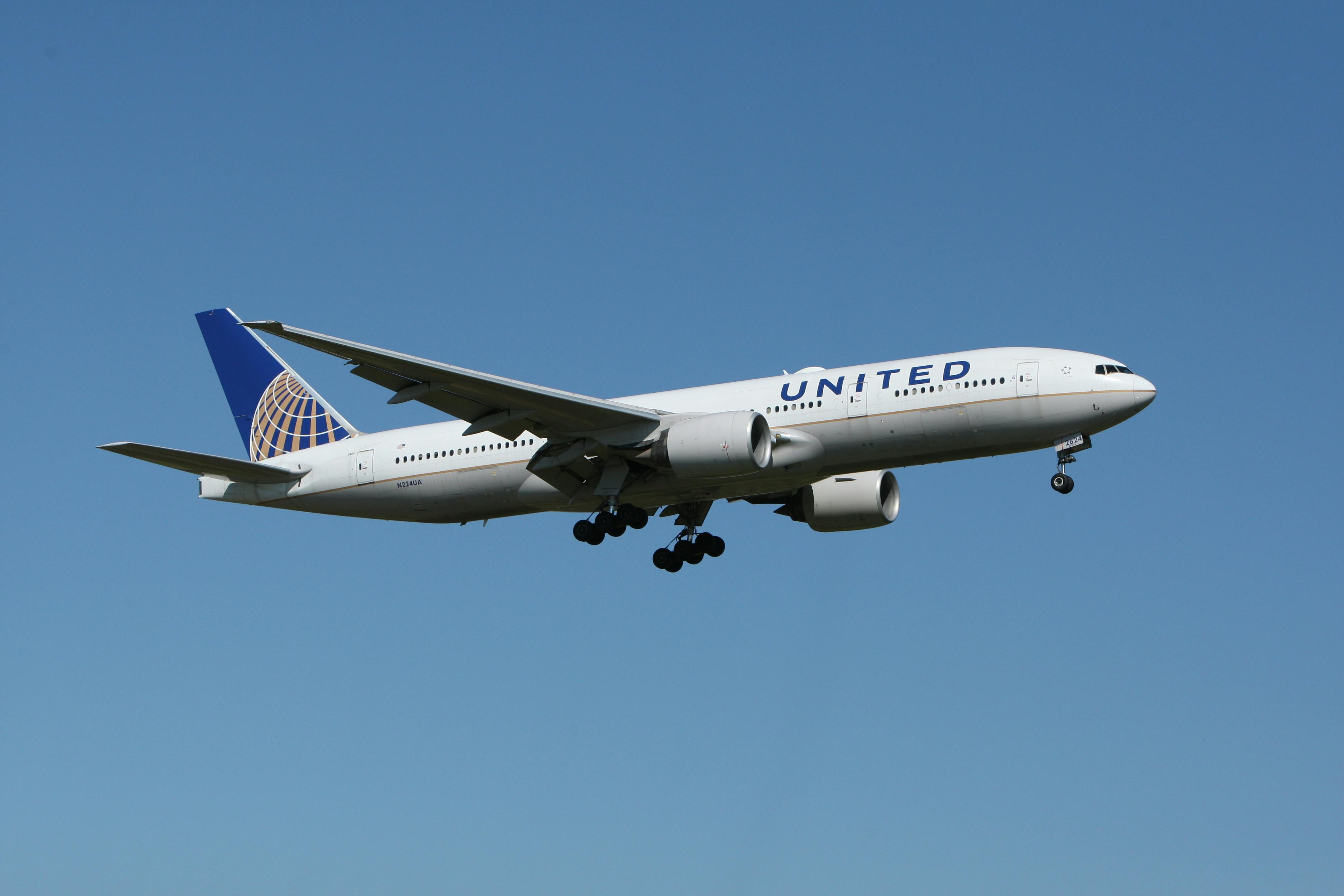
The Plane That Disappeared Without a Trace

The Plane That Disappeared Without a Trace
Photo from the web

Flight 370 vanished from radar screens on a quiet night and left millions of people with an impossible puzzle. Big passenger jets do not just vanish into thin air, yet this one did. You want answers, and the facts do not give them easily.

The short answer is that the plane turned off its radios, flew for hours over empty ocean water, and crashed where nobody could see it. Experts found a few small pieces of metal on faraway beaches, but the main body of the aircraft still rests somewhere in the dark deep sea.

What Really Happened on That Night

Radar operators watched the plane fly away from Malaysia on March 8, 2014. Everything seemed normal until the voice radio went silent. Someone turned off the tracking system on purpose. You might wonder why a pilot would do that, but nobody knows for sure.

Military radar tracked the plane making a sharp turn back across the land. It flew past Penang and headed out over the open sea toward the south. It stayed in the air for about seven hours after the radio went dead. That means the fuel tanks were almost empty when it finally came down.

People often compare this case to older puzzles like the Flannan Isles Lighthouse Mystery And New Clues where people simply vanished without warning. The scale here is much bigger, but the empty feeling is the same. You stare at the map and wonder how a giant machine just disappears.

The Plane That Disappeared Without a Trace
Photo from the web

The Search in the Southern Indian Ocean

Search boats and planes scanned a massive piece of the ocean for many months. They looked over one hundred and twenty thousand square kilometers of water. Sonar devices scanned the ocean floor, but they found nothing except old rocks and deep mud.

Bad weather made the work very hard for the ship crews. Waves reached ten meters high, and winds blew hard enough to break gear. You can read more about tracking missing things on Lists of problems to see how math helps scientists map hard regions. Even with the best gear, the water was too deep and too wide.

Private groups tried to help find the wreckage too. One company named Ocean Infinity scanned the sea floor in 2018 using smart robot subs. They found old shipwrecks, but they did not find the plane. The search cost millions of dollars and ended with no body and no black box recorders.

What Are the Main Theories

Every mystery brings out many different ideas from smart people and internet sleuths. Some theories make sense, while others sound like wild stories. We have to separate the real facts from the guesses.

The pilot theory says the captain flew the plane into the ocean on purpose. Supporters point to a flight simulator route found at his home that looked very similar. Other people think a fire broke out in the cabin, and the smoke knocked out the crew before they could land safely.

A third idea talks about a secret hijacking where someone snuck into the front cabin. No group ever stood up to say they did it, which makes this idea weak. You can learn about other missing ships by checking our stories about lost things to compare how search teams work on land and sea.

  • Fact: The transponder turned off by hand.
  • Fact: Debris washed up on African shores.
  • Theory: A planned crash by the pilot.
  • Theory: Low oxygen knocked everyone out.

Could It Happen Again Today

Air travel is safer now than it was ten years ago. Plane makers added new rules after this event. You might wonder if planes can still go off the grid so easily now.

New rules force airlines to track planes every fifteen minutes over remote areas. Some new jets send out automatic position signals all the time via satellite. You cannot just turn off the modern tracking gear as easily as before.

Still, a pilot who really wants to hide a plane can find ways around small rules. The ocean is too big to watch every single mile of water. Until someone finds the main body of Flight 370, the sky will keep its dark secret.

Think about how fast information moves today. We track tiny packages on our phones, yet a giant plane can hide in the sea for years. What do you think really happened to that flight?

Lessons Learned by Aviation Authorities

Global aviation agencies spent years reviewing every single safety standard after the tragedy. They wanted to make sure that no other family would have to wait years for news about a missing loved one. Plane manufacturers started designing better batteries for underwater locator beacons so those signals could last longer than thirty days.

Engineers also looked closely at cockpit doors and communication backups. They realized that losing contact completely should be technically impossible in our modern age. Every change aims to give ground controllers a fighting chance to spot trouble early.

  • Fact: Beacon batteries now last longer underwater.
  • Fact: Ground teams get faster position updates.
  • Theory: Future satellites will watch every flight live.

The Ongoing Hope for Answers

Families of the passengers still push governments to launch new searches. They hold meetings and share memories to keep the public from forgetting. Time passes quickly, but the pain of not knowing stays sharp for the people left behind.

Scientists believe that ocean currents could eventually push more tiny bits of wreckage toward new shores. Beachcombers keep their eyes open when they walk along sandy coasts in the southern hemisphere. Every small piece of rusted metal brings a tiny wave of hope.

Technology continues to improve at a very fast pace. Someday soon, better deep sea mapping tools might sweep across the final uncharted trenches of the ocean floor. When that day arrives, the ghostly resting place of the aircraft might finally flash on a monitor screen, bringing closure to one of the greatest modern puzzles of our time.

Strange Signal From Space Solved by Science Facts

Photo: Art Institute of Chicago The famous Wow Signal is a mystery that still puzzles people who love space puzzles. It was a loud burst of...