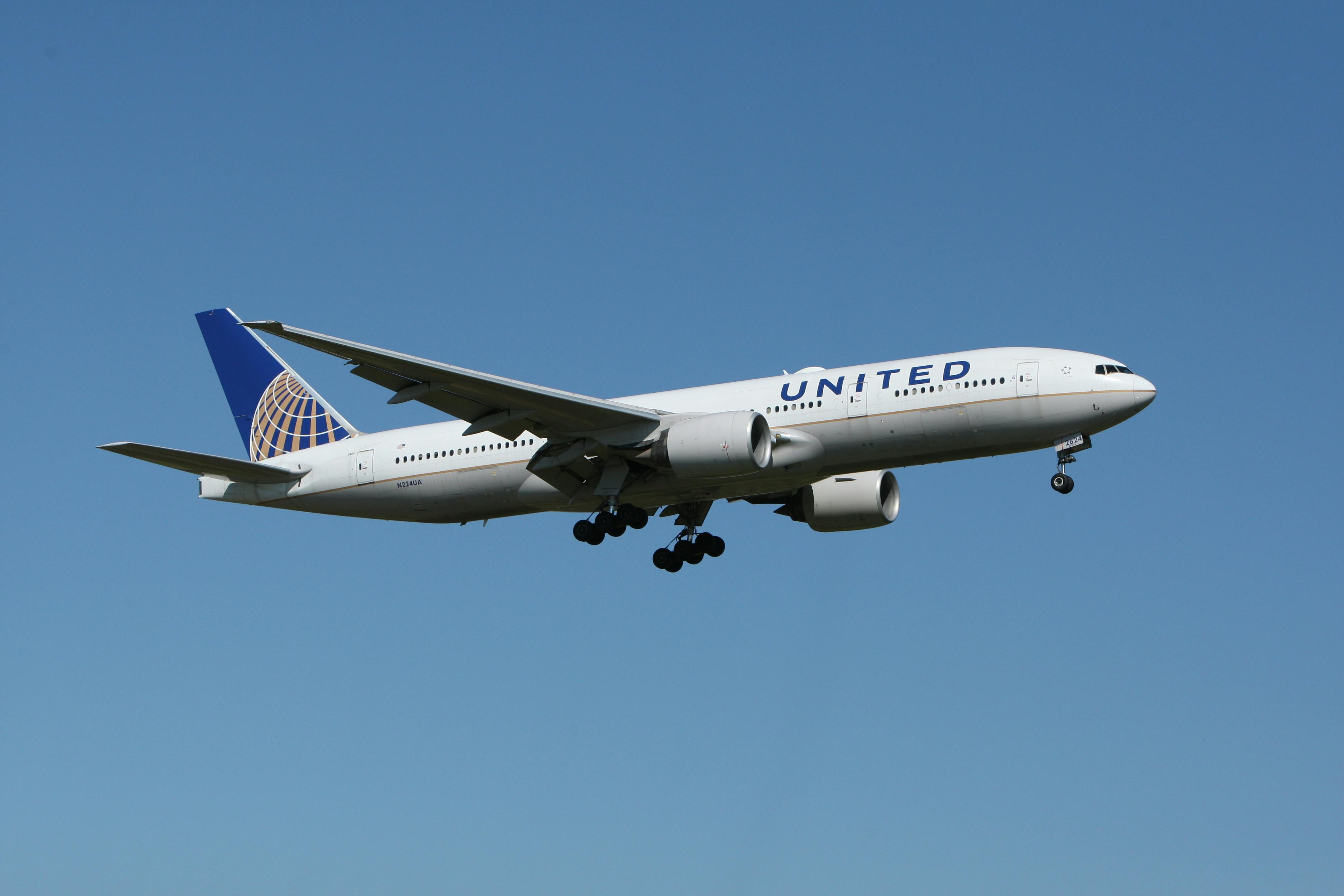
Flight 370 vanished from radar screens on a quiet night and left millions of people with an impossible puzzle. Big passenger jets do not just vanish into thin air, yet this one did. You want answers, and the facts do not give them easily.
The short answer is that the plane turned off its radios, flew for hours over empty ocean water, and crashed where nobody could see it. Experts found a few small pieces of metal on faraway beaches, but the main body of the aircraft still rests somewhere in the dark deep sea.
What Really Happened on That Night
Radar operators watched the plane fly away from Malaysia on March 8, 2014. Everything seemed normal until the voice radio went silent. Someone turned off the tracking system on purpose. You might wonder why a pilot would do that, but nobody knows for sure.
Military radar tracked the plane making a sharp turn back across the land. It flew past Penang and headed out over the open sea toward the south. It stayed in the air for about seven hours after the radio went dead. That means the fuel tanks were almost empty when it finally came down.
People often compare this case to older puzzles like the Flannan Isles Lighthouse Mystery And New Clues where people simply vanished without warning. The scale here is much bigger, but the empty feeling is the same. You stare at the map and wonder how a giant machine just disappears.

The Search in the Southern Indian Ocean
Search boats and planes scanned a massive piece of the ocean for many months. They looked over one hundred and twenty thousand square kilometers of water. Sonar devices scanned the ocean floor, but they found nothing except old rocks and deep mud.
Bad weather made the work very hard for the ship crews. Waves reached ten meters high, and winds blew hard enough to break gear. You can read more about tracking missing things on Lists of problems to see how math helps scientists map hard regions. Even with the best gear, the water was too deep and too wide.
Private groups tried to help find the wreckage too. One company named Ocean Infinity scanned the sea floor in 2018 using smart robot subs. They found old shipwrecks, but they did not find the plane. The search cost millions of dollars and ended with no body and no black box recorders.
What Are the Main Theories
Every mystery brings out many different ideas from smart people and internet sleuths. Some theories make sense, while others sound like wild stories. We have to separate the real facts from the guesses.
The pilot theory says the captain flew the plane into the ocean on purpose. Supporters point to a flight simulator route found at his home that looked very similar. Other people think a fire broke out in the cabin, and the smoke knocked out the crew before they could land safely.
A third idea talks about a secret hijacking where someone snuck into the front cabin. No group ever stood up to say they did it, which makes this idea weak. You can learn about other missing ships by checking our stories about lost things to compare how search teams work on land and sea.
- Fact: The transponder turned off by hand.
- Fact: Debris washed up on African shores.
- Theory: A planned crash by the pilot.
- Theory: Low oxygen knocked everyone out.
Could It Happen Again Today
Air travel is safer now than it was ten years ago. Plane makers added new rules after this event. You might wonder if planes can still go off the grid so easily now.
New rules force airlines to track planes every fifteen minutes over remote areas. Some new jets send out automatic position signals all the time via satellite. You cannot just turn off the modern tracking gear as easily as before.
Still, a pilot who really wants to hide a plane can find ways around small rules. The ocean is too big to watch every single mile of water. Until someone finds the main body of Flight 370, the sky will keep its dark secret.
Think about how fast information moves today. We track tiny packages on our phones, yet a giant plane can hide in the sea for years. What do you think really happened to that flight?
Lessons Learned by Aviation Authorities
Global aviation agencies spent years reviewing every single safety standard after the tragedy. They wanted to make sure that no other family would have to wait years for news about a missing loved one. Plane manufacturers started designing better batteries for underwater locator beacons so those signals could last longer than thirty days.
Engineers also looked closely at cockpit doors and communication backups. They realized that losing contact completely should be technically impossible in our modern age. Every change aims to give ground controllers a fighting chance to spot trouble early.
- Fact: Beacon batteries now last longer underwater.
- Fact: Ground teams get faster position updates.
- Theory: Future satellites will watch every flight live.
The Ongoing Hope for Answers
Families of the passengers still push governments to launch new searches. They hold meetings and share memories to keep the public from forgetting. Time passes quickly, but the pain of not knowing stays sharp for the people left behind.
Scientists believe that ocean currents could eventually push more tiny bits of wreckage toward new shores. Beachcombers keep their eyes open when they walk along sandy coasts in the southern hemisphere. Every small piece of rusted metal brings a tiny wave of hope.
Technology continues to improve at a very fast pace. Someday soon, better deep sea mapping tools might sweep across the final uncharted trenches of the ocean floor. When that day arrives, the ghostly resting place of the aircraft might finally flash on a monitor screen, bringing closure to one of the greatest modern puzzles of our time.


No comments:
Post a Comment